

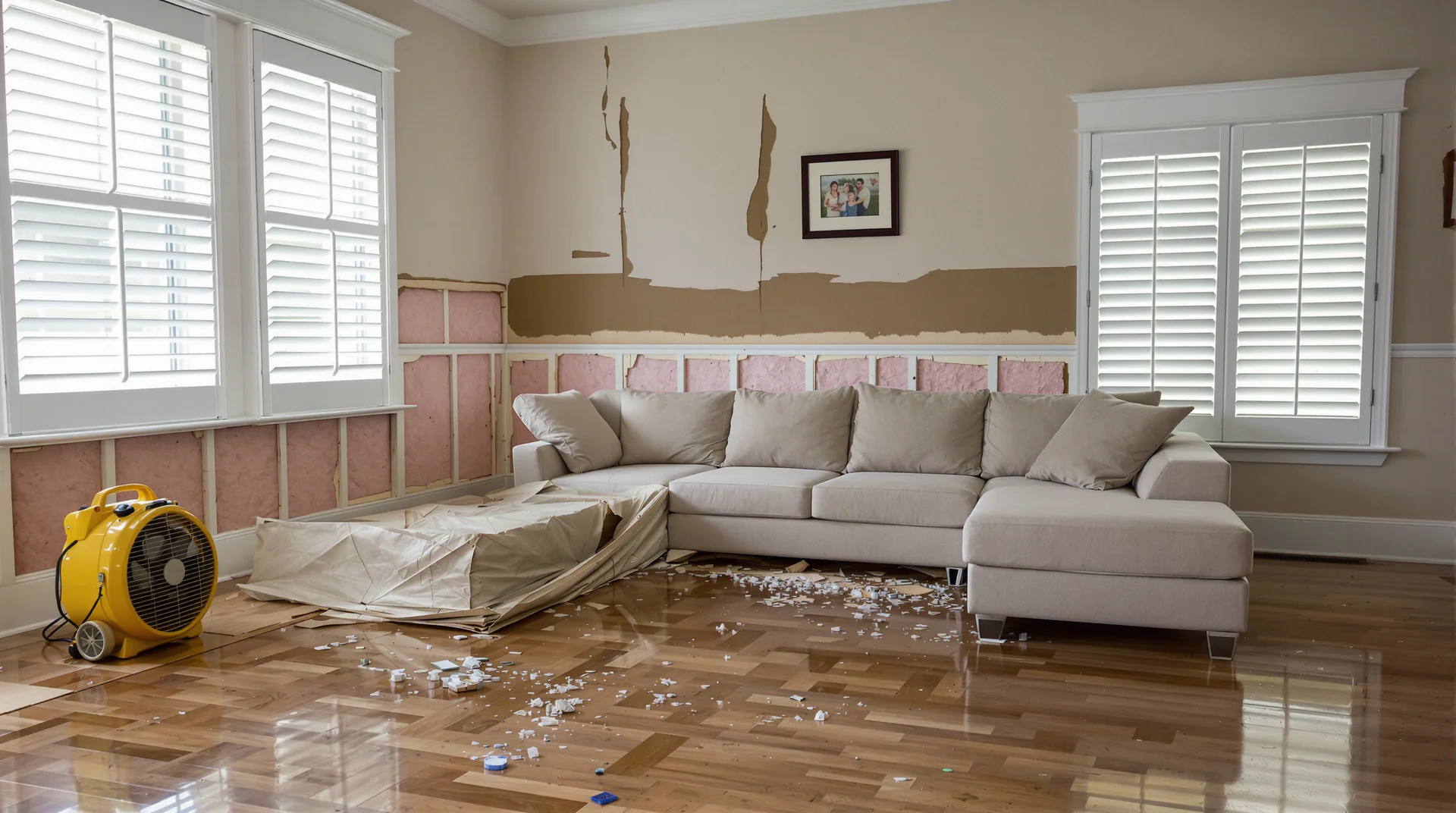
Sugar Land is the opposite of the new-construction suburbs west of it, and that changes what fails. Where a Fulshear house is likely to lose a fitting the builder installed three years ago, a Sugar Land house is likely to lose a component that has been quietly working since the Reagan administration.
Why the age of the housing stock is the whole story here
First Colony is a 9,700-acre master-planned community developed between roughly 1976 and 1997, holding something on the order of 14,000 homes across close to a hundred named villages. Sugar Creek is older still. New Territory and Greatwood filled in through the 1990s, and Telfair and Riverstone are the newer end of the range.
That means a large share of Sugar Land’s housing stock is now thirty to forty-five years old. At that age, the failures we get called for are not defects. They are components reaching the end of their service life all at once, because they were all installed at once.
- Water heaters past a typical ten to twelve year life, failing at the tank rather than at a fitting, which means the whole tank empties into the surrounding floor.
- Original supply lines and shutoff valves that have been under constant pressure for decades.
- Cast-iron drain lines in the oldest sections, which corrode from the inside and back up rather than burst.
- Slab leaks, which the expansive clay across Fort Bend County makes worse as decades of seasonal soil movement work on rigid connections.
Polybutylene: the one thing every First Colony owner should know
Between 1978 and 1995, polybutylene was installed as supply piping in millions of American homes. Houston-area builders adopted it faster and more completely than most of the country, because the master-planned building boom here lined up almost exactly with the years polybutylene was in production. The result is that this metro carries one of the highest concentrations of original polybutylene plumbing in the United States, and First Colony’s build years sit squarely inside that window.
Polybutylene fails in a specific and nasty way. The chlorine and chloramine in municipal water react with the plastic, which scales and flakes and grows brittle from the inside out. There is usually no drip, no warning stain, and no slow leak first. Typical service life is on the order of ten to fifteen years, which means any original polybutylene still in a Sugar Land house is decades past it.
The insurance picture has two halves that homeowners routinely confuse:
- The resulting water damage is generally covered. When a polybutylene line or fitting lets go suddenly, that is a sudden and accidental loss, and a Texas homeowners policy generally responds to the damage it causes.
- Re-piping the house is generally not covered. Replacing the remaining pipe is treated as maintenance or an upgrade, not as loss repair. Many carriers also decline to write or renew policies on homes that still have it.
So the answer to “will insurance pay for this” is usually yes for the drywall, flooring, cabinets, and drying, and usually no for the pipe itself. Knowing which half you are arguing about before you call your adjuster saves a great deal of friction.
If you do not know what your supply lines are made of, it is worth finding out before they tell you. Polybutylene is usually grey, sometimes white or silver, flexible rather than rigid, and most visible at the water heater, near the main shutoff, and where lines enter from the wall at sinks and toilets.
The Brazos and Oyster Creek
Parts of Sugar Land sit near the Brazos River and Oyster Creek floodplains, and flood zone designations vary parcel by parcel rather than neighborhood by neighborhood, so the current FEMA map for your specific address is the only reliable answer.
The coverage distinction matters more than the zone. Water that originates inside the house, which is nearly all of what we respond to here, is a sudden and accidental loss covered by a homeowners policy. Surface water rising from outside and entering the structure is flood, which homeowners policies exclude and which requires separate NFIP or private flood coverage.
Read our insurance claims walkthrough before deciding not to file, and the West Houston Homeowner’s Guide to Water Damage and Insurance Claims covers the Texas Insurance Code Chapter 542 prompt-pay deadlines, actual cash value versus replacement cost, and recoverable depreciation in full.
What to do in the first hour
- Shut the water off at the main. With a failed water heater or a burst supply line, this is the entire ballgame.
- Photograph and video everything before anything is moved.
- Call us. Mitigation satisfies your policy’s duty to prevent further damage.
- Then open the claim. Chapter 542 deadlines run from notice.
- Do not sign an Assignment of Benefits. We never ask for one.
Do not try to dry it with household fans. Air movement without dehumidification relocates moisture into wall cavities and framing instead of removing it from the building.
Getting to you in Sugar Land
The truck rolls within five minutes of your call, and typical response is 25 to 45 minutes from our Katy staging area. The phone is answered around the clock by the crew on rotating on-call shifts, not an answering service, and the crew is bilingual in English and Spanish.
We are IICRC certified in Water Damage Restoration and Applied Structural Drying, we bill carriers directly and write estimates in Xactimate, and the same crew that runs the demolition handles the rebuild. Estimates are free.